
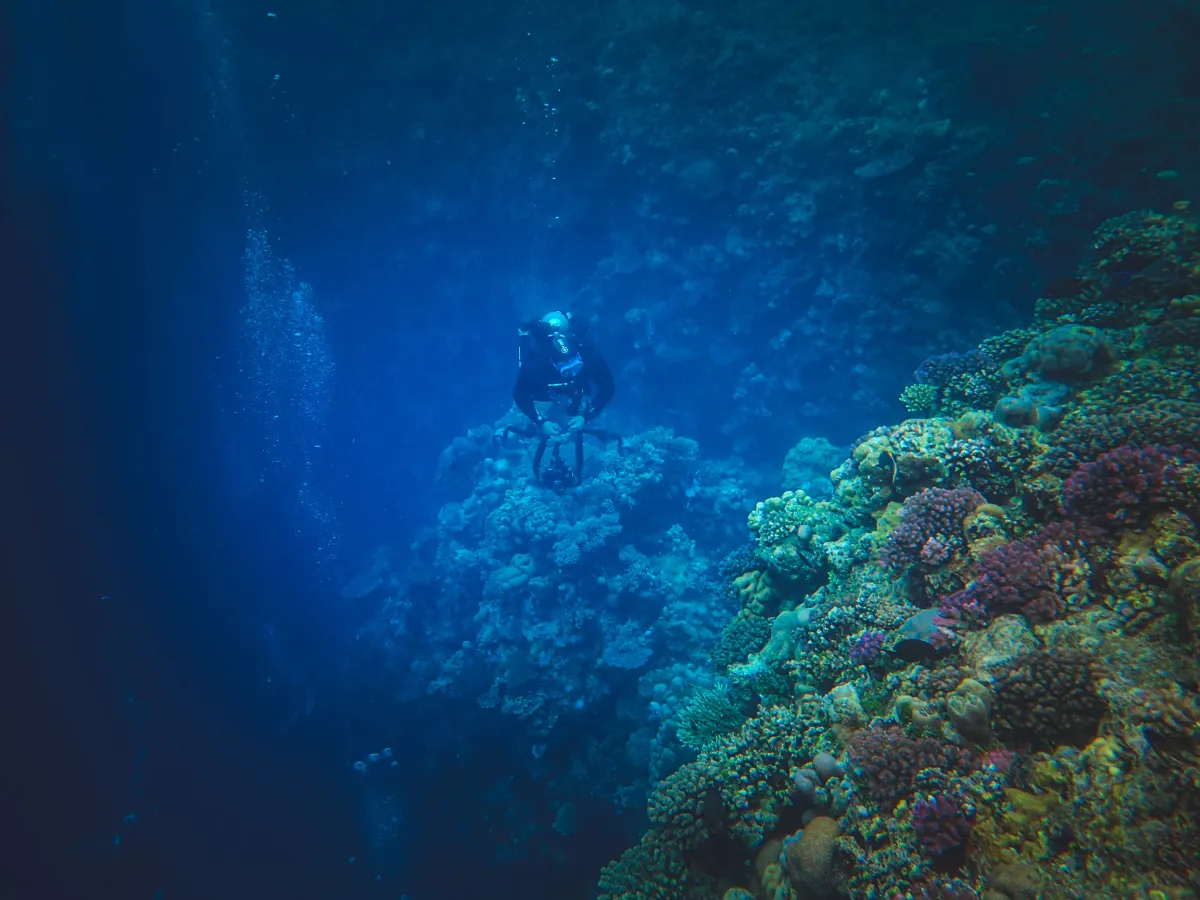
The ocean is often called Earth's last great frontier, and for good reason. Although it covers more than 70% of our planet, only a small portion of the seafloor has been explored in detail. Every expedition into the deep reveals new surprises—some rewriting history, others expanding what we know about life itself.
With modern submarines, autonomous underwater vehicles, and high-resolution sonar, researchers are reaching places that were once impossible to explore. These discoveries continue to amaze scientists and remind us that the deep sea still holds countless mysteries.
Ancient Shipwrecks Preserved for Centuries
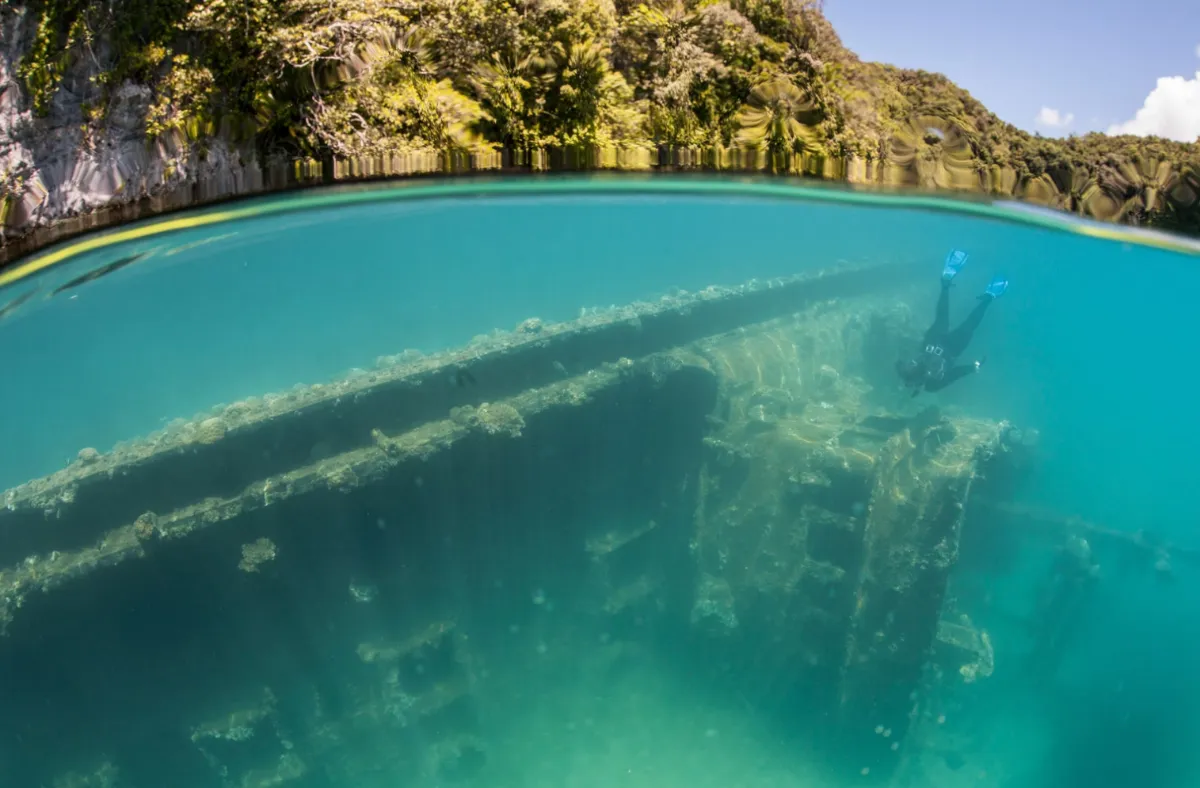
Some of the world's most remarkable shipwrecks have remained almost untouched beneath the sea. In deep, cold waters with little oxygen, wooden vessels, pottery, coins, and even personal belongings have survived for hundreds of years. These underwater time capsules provide valuable clues about trade, exploration, and everyday life in the past.
Entire Forests Hidden Beneath the Ocean
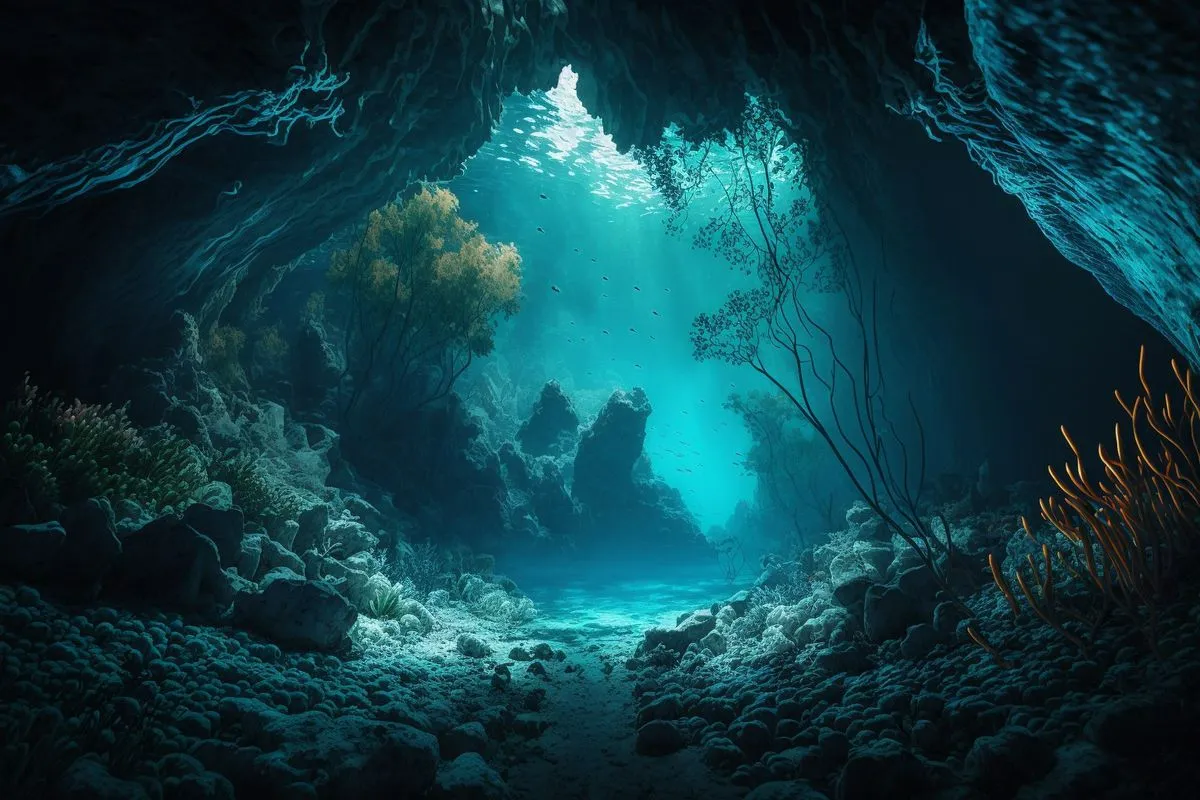
Divers have discovered submerged forests containing tree stumps, roots, and ancient soil that date back thousands of years. These forests once stood on dry land before rising sea levels gradually covered them. They offer scientists a rare glimpse into prehistoric landscapes and ancient climates.
Deep-Sea Hydrothermal Vent Communities
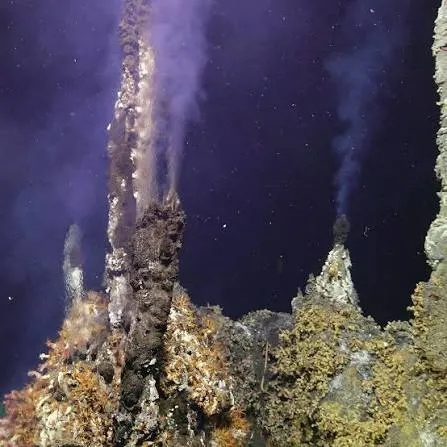
Thousands of meters below the surface, hydrothermal vents release superheated, mineral-rich water from Earth's crust. Despite complete darkness and extreme temperatures, these vents support thriving ecosystems filled with tube worms, giant clams, shrimp, and bacteria that survive without sunlight.
Massive Underwater Mountains
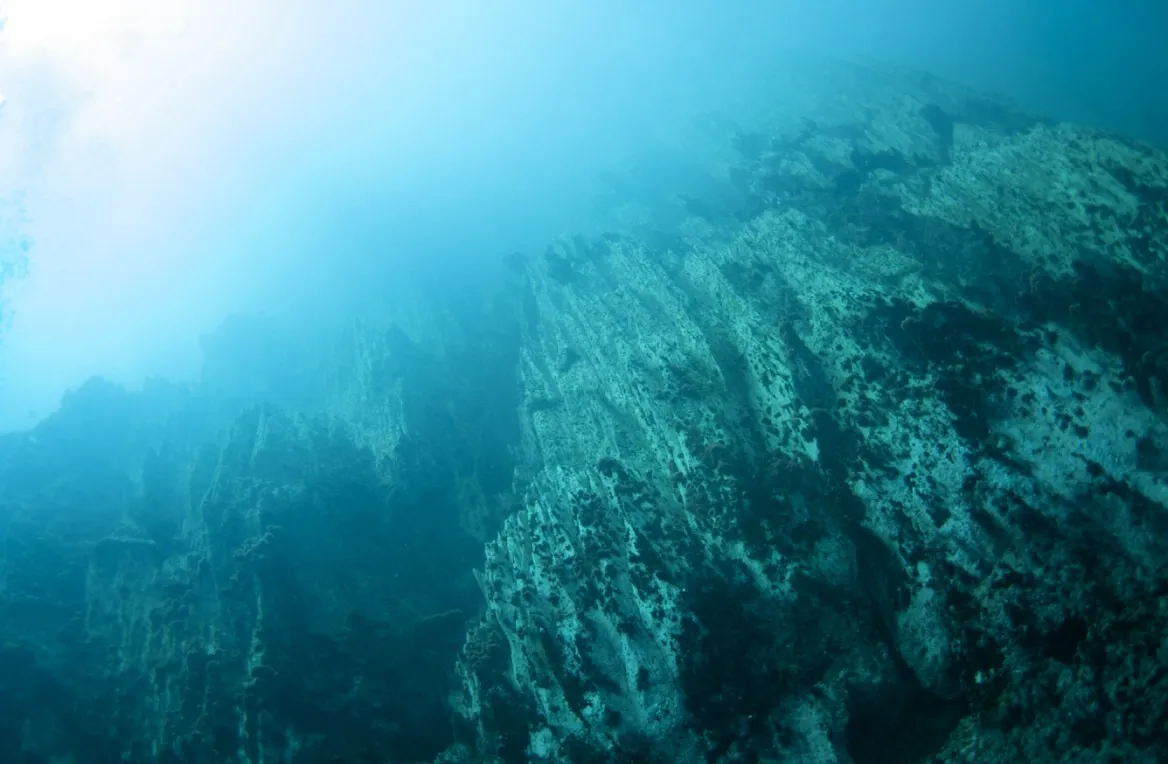
Known as seamounts, underwater mountains rise thousands of feet from the ocean floor. Many have never been fully explored and serve as biodiversity hotspots where fish, corals, sharks, and marine mammals gather. Some are even taller than mountains found on land.
Coral Reefs Flourishing in Unexpected Places
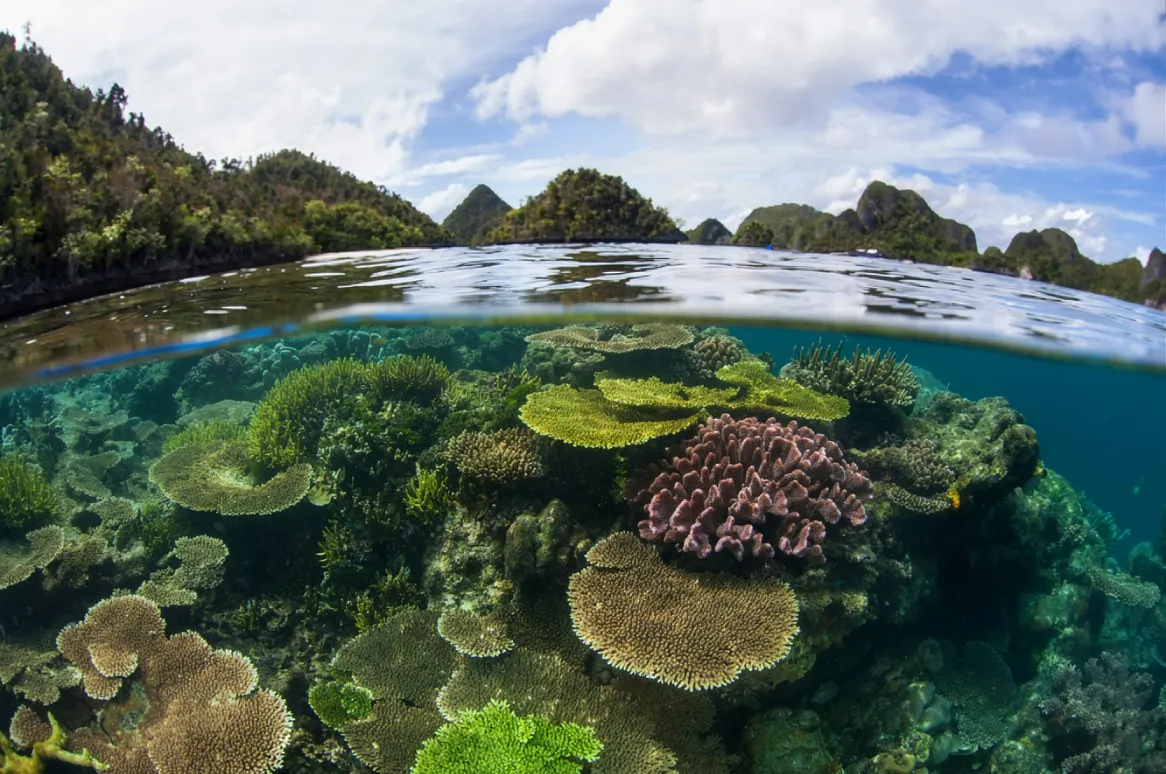
Scientists continue to find coral reefs growing in deeper and colder waters than previously believed possible. These hidden reefs expand our understanding of marine ecosystems and demonstrate that coral habitats are more diverse than once imagined.
Every expedition into the deep reveals new surprises—some rewriting history, others expanding what we know about life itself.
Mysterious Blue Holes
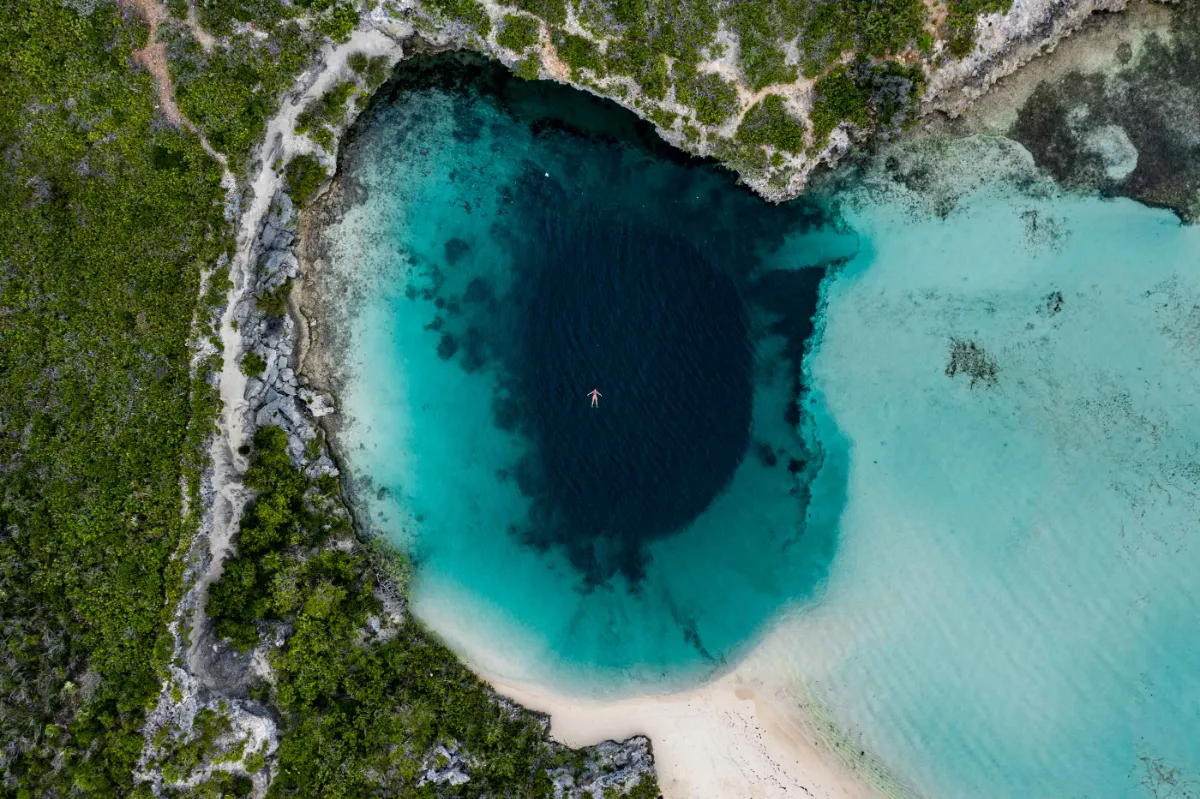
Blue holes are enormous underwater sinkholes that plunge deep below the seafloor. Many remain largely unexplored due to their depth and challenging conditions. Sediment preserved within these formations helps researchers study ancient weather patterns, sea-level changes, and geological history.
Strange Creatures from the Deep
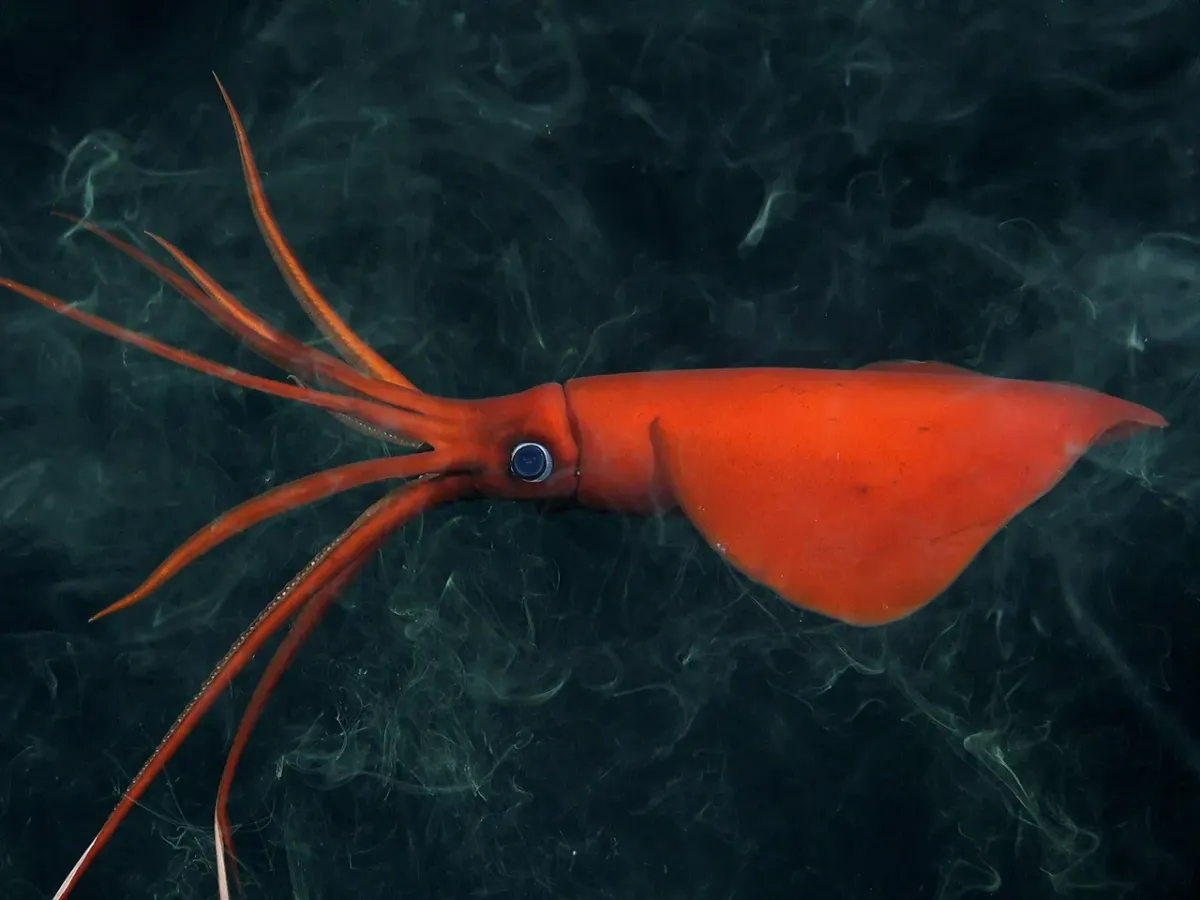
The deep ocean is home to some of the most unusual animals ever discovered. Transparent fish, glowing jellyfish, anglerfish with bioluminescent lures, and giant isopods have evolved incredible adaptations that allow them to survive under crushing pressure and total darkness.
Underwater Rivers and Lakes
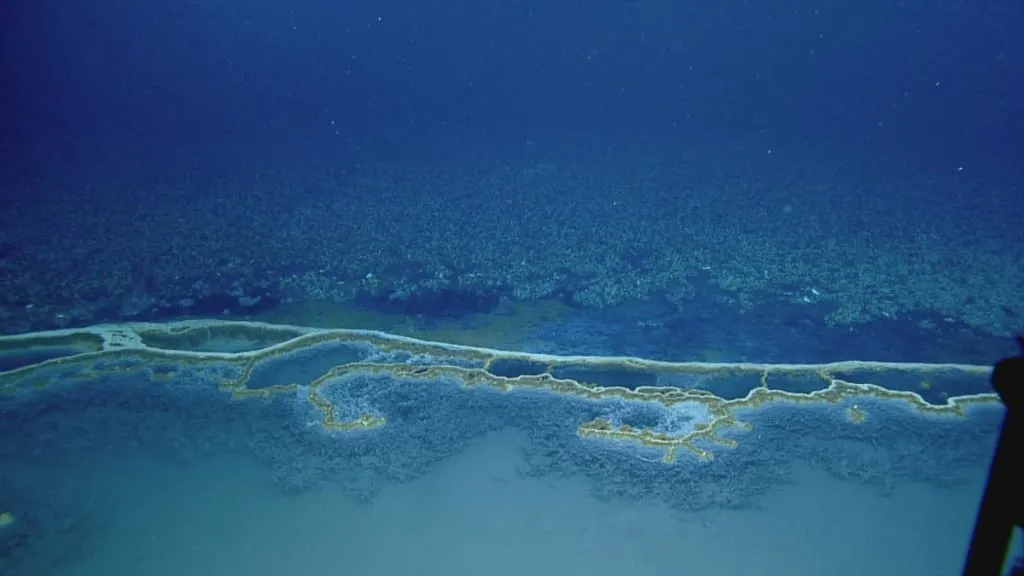
Although it sounds impossible, scientists have identified dense pools of extremely salty water on the ocean floor. Because of their high salt concentration, these pools behave like lakes with visible shorelines and flowing currents beneath the sea, creating unique habitats for specialized organisms.
Lost Cities of Ancient Civilizations
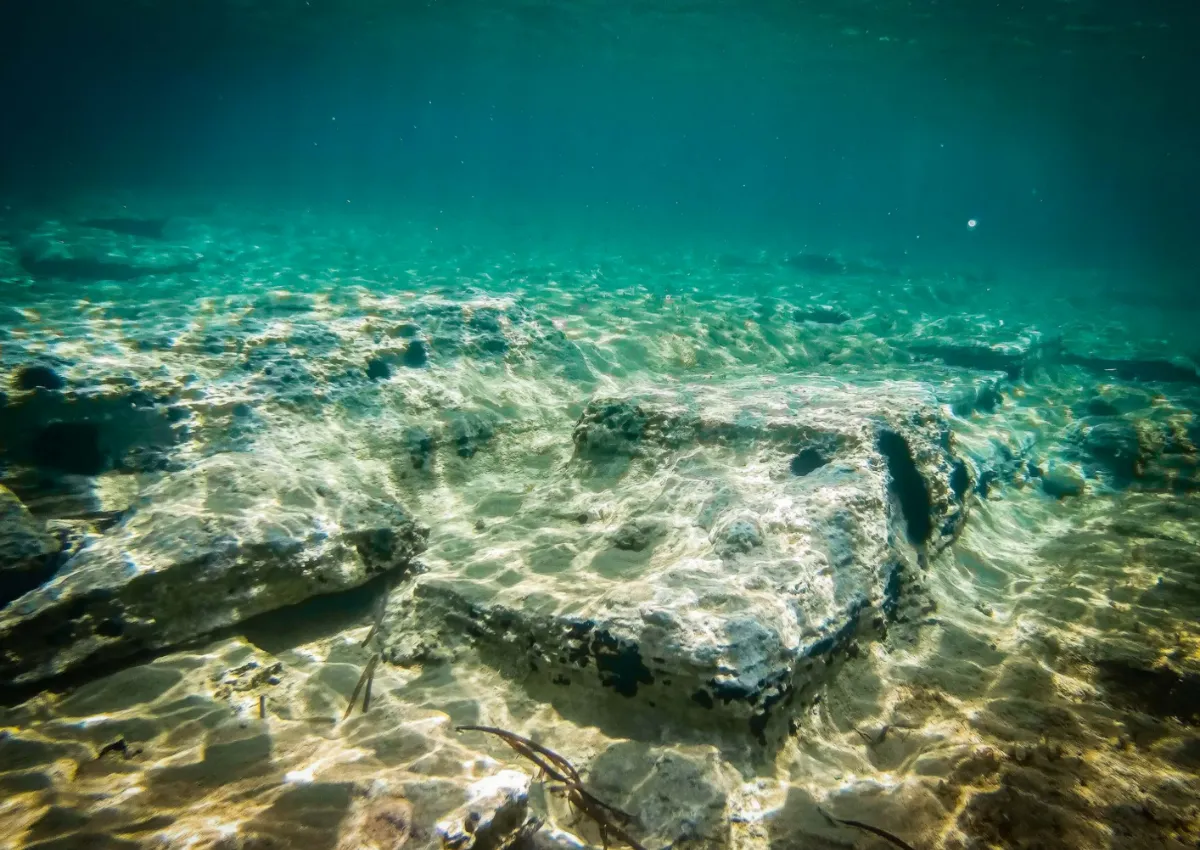
Archaeologists have uncovered evidence of submerged settlements near coastlines around the world. Stone structures, roads, and artifacts suggest that rising sea levels over thousands of years may have covered areas once occupied by ancient communities, offering new perspectives on early human history.
Experts estimate that a vast majority of the ocean floor has yet to be explored in detail.
Gigantic Underwater Canyons
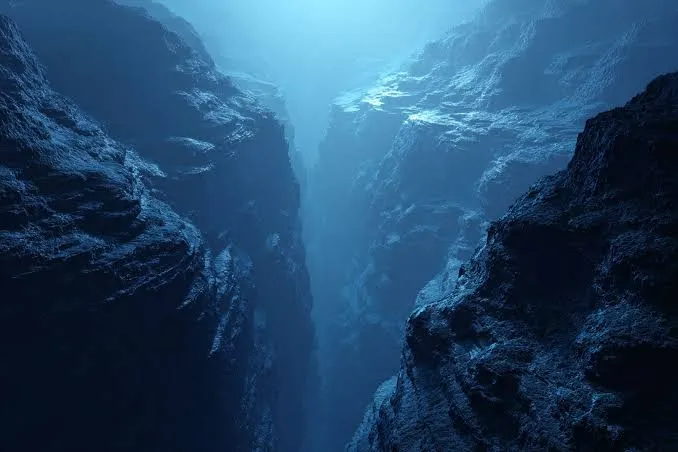
Some underwater canyons rival or exceed the size of the Grand Canyon. Carved by ancient rivers and powerful underwater currents, these formations influence ocean circulation, provide habitats for marine life, and reveal important details about Earth's geological past.
Rare Black Coral Forests
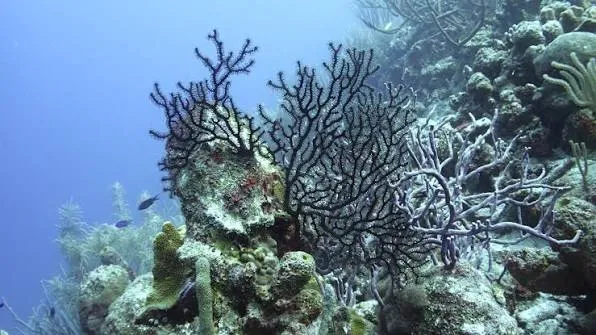
Unlike colorful tropical reefs, black coral forests grow slowly in deep waters and can live for centuries. These delicate ecosystems support countless marine species but are rarely seen because they exist far below recreational diving depths.
Previously Unknown Ecosystems
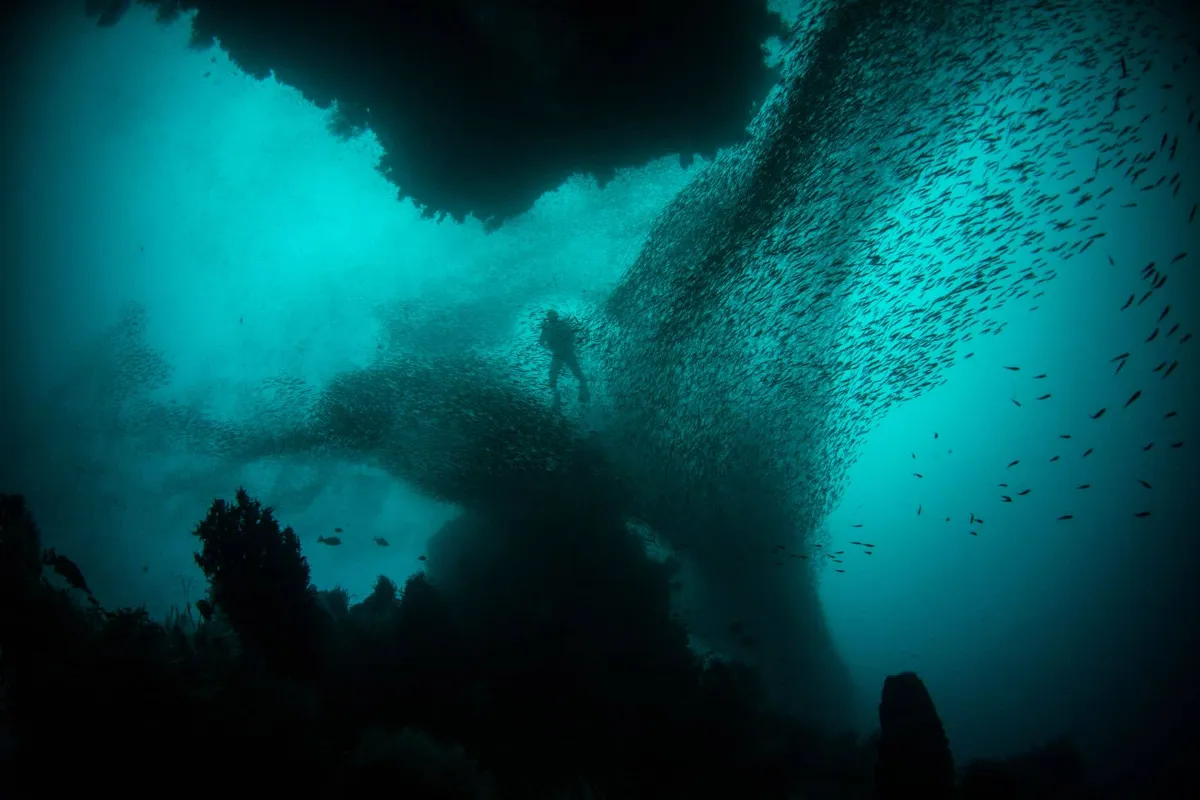
Nearly every major deep-sea expedition discovers organisms never before documented by science. Entire communities of marine life continue to emerge from unexplored regions, proving that much of Earth's biodiversity remains hidden beneath the waves.
Why These Discoveries Matter
Every underwater discovery adds another piece to the puzzle of our planet's history. Ancient artifacts reveal how civilizations developed and traded. Geological formations help scientists understand earthquakes, volcanoes, and climate change. Newly discovered species broaden our knowledge of evolution and life's ability to adapt to extreme environments.
These findings also support conservation efforts by identifying fragile habitats that require protection from pollution, overfishing, and other human activities.
The Future of Ocean Exploration
Ocean exploration is advancing rapidly through the use of autonomous underwater vehicles, artificial intelligence, satellite mapping, and remotely operated robots. These technologies allow researchers to reach depths and locations that were once beyond human capability.
Experts estimate that a vast majority of the ocean floor has yet to be explored in detail. This means some of the greatest discoveries may still lie ahead, waiting beneath miles of water.
Conclusion
The ocean continues to surprise even the world's leading scientists. From ancient forests and lost settlements to bizarre sea creatures and hidden geological wonders, each expedition reveals how much remains unknown beneath the surface.
As technology improves and exploration expands, future discoveries will undoubtedly deepen our understanding of Earth's history, marine ecosystems, and the incredible diversity of life hidden beneath the waves. The deep sea remains one of the few places on our planet where almost every expedition has the potential to uncover something entirely new.